

The Application Value Of Corrosion-Resistant Titanium Alloy In The Chemical And Chemical Fiber Industry
The Application Value Of Corrosion-Resistant Titanium Alloy In The Chemical And Chemical Fiber Industry
Modern
chemical and chemical fiber production processes have long been in harsh
working conditions with strong acid, strong corrosion, and high dielectric
activity. Traditional steel and stainless steel materials are prone to pitting
corrosion, crevice corrosion, stress cracking and other problems, which can
easily cause rapid equipment loss, frequent maintenance, poor production
continuity, and high operation and maintenance costs. Industry pain points. Corrosion-resistant
titanium alloy relies on an oxidized passivation film with a dense surface and
self-healing ability. It has excellent acid and alkali resistance and medium
corrosion resistance. It can be adapted to various types of highly corrosive chemical
production environments and has become the core material for the upgrading of
modern chemical equipment. , application coverage and industrial value continue
to increase.
The
chemical industry is one of the core and most mature application fields of
corrosion-resistant titanium alloys, which can effectively solve the problem of
corrosion failure of traditional equipment and ensure the long-term stable
operation of production lines.
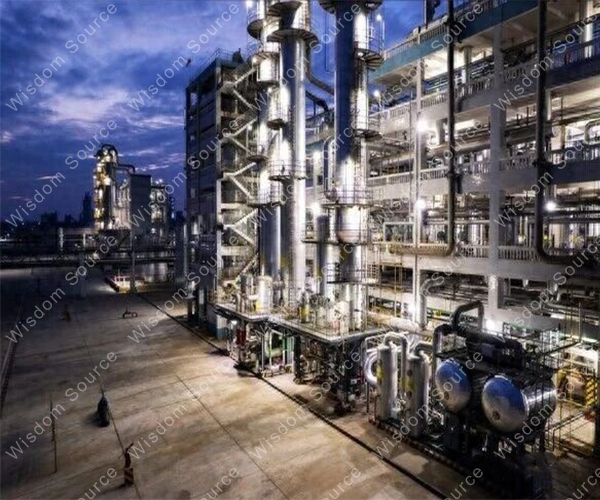
In the
production conditions of acetaldehyde, the production medium is chemically
corrosive, and conventional metal equipment is prone to corrosion and damage
during long-term operation. Frequent downtime, maintenance and replacement of
accessories are required, which not only disrupts the rhythm of continuous
production, but also continuously increases the investment in equipment
operation and maintenance and spare parts. Corrosion-resistant titanium alloy
TA10, with its stable corrosion-resistant characteristics, can be adapted to
the whole process of acetaldehyde production, greatly delaying the corrosion
rate of equipment, effectively reducing the frequency of downtime and
maintenance, significantly improving the continuous operation efficiency of the
production line, and reducing the production operation and maintenance costs of
enterprises in the long term.
In the
production plants of acetic acid and polyvinyl alcohol, the corrosion
properties of the raw material medium are stronger. Ordinary titanium and
stainless steel materials are difficult to withstand continuous erosion for a
long time. Corrosion, leakage, structural loss and other problems will still
occur after long-term service, and there are hidden production safety risks. The
special titanium alloy for corrosion resistance is optimized for the
performance of strongly corrosive media and has stronger corrosion resistance
and stability. It can be adapted to the production conditions of acetic acid
and polyvinyl alcohol for a long time, avoiding the problem of equipment
corrosion and failure, and ensuring the integrity of the equipment structure
and the stability of the production conditions.
In
addition to the basic chemical industry, corrosion-resistant titanium alloys
also have irreplaceable application advantages in the precision production of
the chemical fiber industry. Chemical fiber production requires extremely high
equipment precision and stability. Subtle equipment losses and filter clogging
will directly affect product quality and production efficiency.
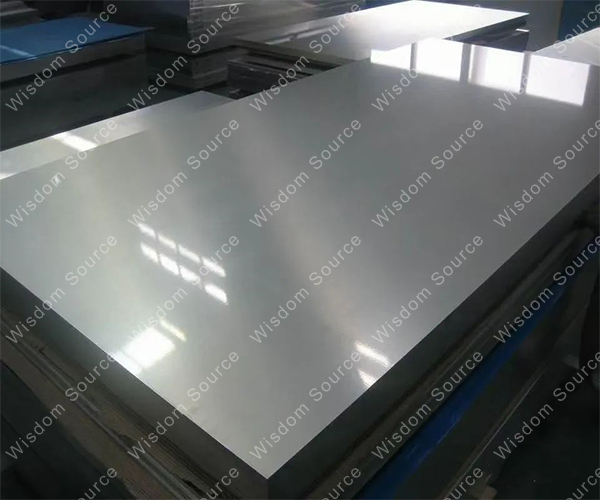
Taking
the polyester spinning process as an example, the high-temperature polyester
melt needs to be continuously filtered during the production process. The
industry traditionally uses stainless steel fiber felt filters. Affected by the
high temperature corrosion of the melt and the adhesion and erosion of
impurities, stainless steel filtration equipment has a short service life and a
fast loss rate, and the filter holes are easily clogged frequently, requiring
repeated downtime for cleaning and replacement, which not only increases labor
and operation and maintenance costs, but also causes production interruptions,
affecting the continuity of the spinning process and product stability.
The use
of corrosion-resistant titanium alloy to prepare filtration equipment can
completely improve the application shortcomings of traditional equipment. Titanium
alloy is corrosion-resistant, resistant to scouring by high-temperature media,
and has strong structural stability. It is not easy to lose and deform under
long-term scouring and corrosion conditions of polyester melt, and the filter
hole structure is not easy to clog, and the filtration accuracy and
permeability can be maintained for a long time. It not only greatly extends the
service life of filtration equipment, reduces the frequency of cleaning and
replacement, but also effectively guarantees the continuous and stable
operation of the polyester spinning production line and improves the consistency
of finished product quality.
Overall, as the chemical and chemical fiber industries have upgraded to large-scale, continuous, and high-end, production conditions have become more stringent, and the industry's requirements for the corrosion resistance, stability, and long-term performance of equipment materials have continued to increase. Corrosion-resistant titanium alloy relies on the comprehensive advantages of excellent corrosion resistance, erosion resistance, long life, and low operation and maintenance. It perfectly matches the production needs of the chemical and chemical fiber industry, and effectively solves the industry's long-standing pain points such as easy corrosion of equipment, high operation and maintenance costs, and weak production stability. In the future, in the context of the continuous upgrading of industrial production, the application scenarios of corrosion-resistant titanium alloys in high-end manufacturing fields such as fine chemicals and synthetic chemical fibers will continue to broaden, and the market prospects will become more broad.